


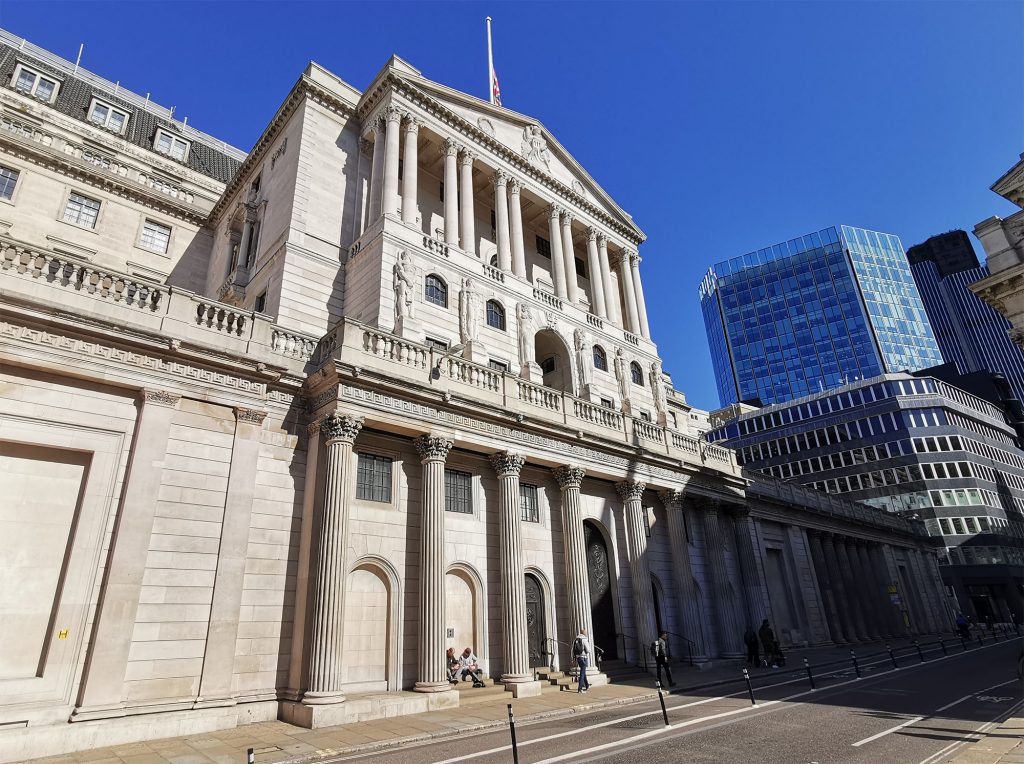
As had been widely anticipated, the Monetary Policy Committee (MPC) has voted to keep the base rate at 3.75%.
Inflation increased to 3.3% in the year to March, driven by soaring fuel prices stemming from the Middle East conflict. The data for this inflation figure was collected in mid-March, just a few weeks into the war. As such, there is still uncertainty over the full impact of the war on the UK economy.
For now, the current base rate has remained the same rather than being changed in response to further potential increases in inflationary pressure.
The Bank of England’s gradual and careful approach
The Bank of England (BoE) has repeatedly stated that a gradual and careful approach must be taken when it comes to easing interest rates. This is to ensure that the inflation rate is kept under control and eventually lowered to meet the 2% target. Now, this applies even more so with the fallout of the war already heavily affecting the cost of living.
Fuel prices have experienced the largest increases in 3 years. The average cost of petrol is now at its highest level since August 2024. The average cost of diesel is at its highest level since November 2023.
The full impact of the war, however, can take several months to filter through. For example, in the food chain, it can take up to 13 months for supermarket retail prices to reflect increases in the food supply chain.
Whereas a rate cut had been hoped for before the conflict began, the prospect of higher inflation and weaker economic growth may now result in a future rate increase.
The effect on mortgage rates
In early March, the instability caused by the Middle East conflict led to an increase in swap rates. These rates are what lenders base their pricing of mortgage products on. As a result, major mainstream lenders increased their fixed mortgage rates, with increases resulting in rates of over 5%. Smaller lenders, on the other hand, had no alternative but to temporarily withdraw their fixed-rate products.
In April, mortgage rates began to fall again, albeit slightly, as swap rates lowered. It’s likely that they’ll stay higher for longer amid the increased inflationary pressure. However, at least they’ve started to move in the right direction with some lenders.
Take stock of your mortgage options
It’s unknown whether this downward trend will continue or whether continued volatility from the conflict will cause them to rise again. As such, it’s imperative that you review your options if your existing deal is coming to an end in the next 6 months.
Lenders usually allow you to lock in a new deal within this time frame, ready to start when your current deal ends. However, if a better rate becomes available in the meantime, you can change to that one instead.
By locking in a new deal early, you can have peace of mind that you’re protected if mortgage rates increase. The ability to review it gives you reassurance that you can secure a better rate should one become available before your existing deal expires.
Get expert guidance when it matters most
Don’t be caught out in these volatile times. Our mortgage brokers are here to review your options and find the most suitable solution for your situation. Give us a call on 01322 907 000 for professional, impartial advice and make the right decision for your needs.